Where Stinging Insects Commonly Build Nests Around Buildings
People searching for stinging insect control often want to identify and remove nests around buildings, and local service providers can safely handle nest removal and prevention.
Understanding where stinging insects commonly build nests around buildings can help property owners identify potential problem areas before they become a concern. These insects often choose sheltered spots that provide safety and stability, such as eaves, soffits, wall voids, and around window frames. Recognizing these common nesting sites is a practical step toward maintaining a safe and comfortable environment, especially during warmer months when these insects are most active. Local contractors experienced in stinging insect control can assess these vulnerable areas, offering targeted solutions to prevent nests from forming or to safely remove existing ones.
For property owners in the area, exploring this topic can lead to better awareness of potential nesting sites and how to address them effectively. Nests built around buildings not only pose a risk of stings but can also cause damage to structures over time. Engaging with local service providers who specialize in stinging insect control can ensure that nests are managed safely and efficiently. By understanding where these insects typically build nests, property owners can take practical steps to protect their homes and outdoor spaces, making it easier for local contractors to provide the right solutions for their needs.
- Attic and eaves nest removal - when homeowners notice stinging insects building nests in roof overhangs or attic spaces, local contractors can safely remove these nests and implement preventative measures.
- Wall void and cavity nest treatments - if stinging insects are found nesting within wall voids or behind exterior siding, service providers can carefully access and treat these hidden areas.
- Ground-level nest removal around foundations - in cases where nests are located near building foundations or entry points, local pros can perform targeted removal to eliminate active colonies.
- Gutter and soffit nest management - nests built in gutters, soffits, or roof valleys can be addressed by local contractors who specialize in nest removal and sealing entry points.
- Facade and shrubbery nest treatment - when stinging insects build nests in nearby shrubs or on building facades, service providers can treat these areas to reduce future nesting sites.
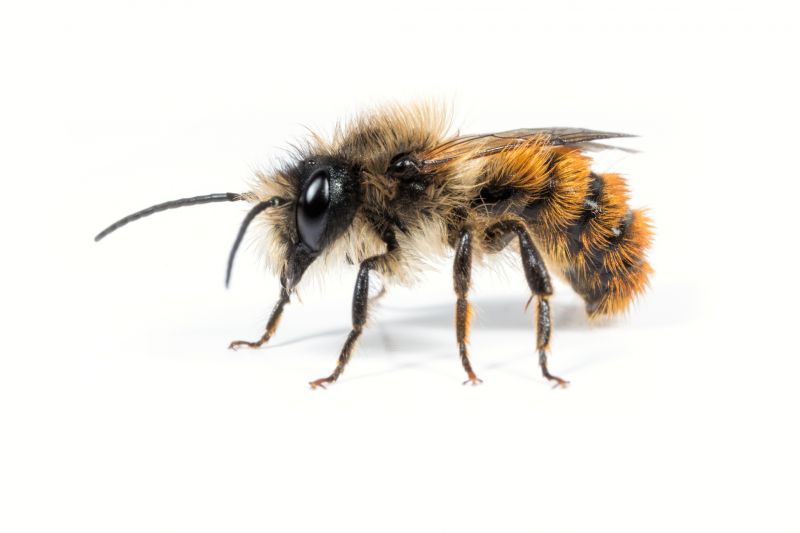
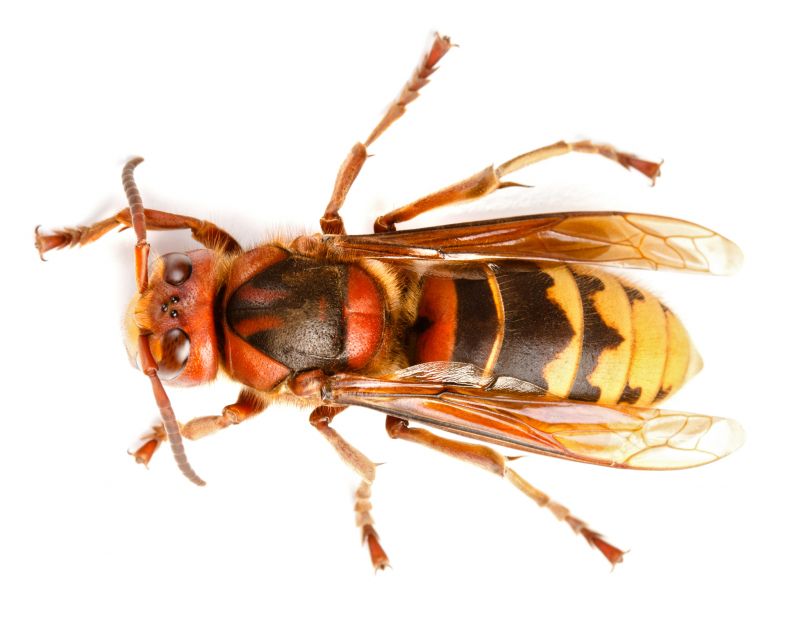
When searching for information on where stinging insects commonly build nests around buildings, homeowners often want to understand the typical locations these insects prefer for nesting. This knowledge helps in identifying potential problem areas before a nest becomes a safety concern or causes property damage. Many people are concerned about the proximity of nests to their living or working spaces, especially when they notice increased insect activity or stings. Understanding the common nesting sites allows homeowners to plan effective removal or prevention strategies and to recognize signs of nests early, reducing the risk of unexpected encounters with aggressive insects.
This topic is closely related to various property management and pest control concerns. For instance, property owners may want to prevent nests from forming in or around their buildings to avoid disturbances or potential health hazards. Others might be dealing with an existing nest and need to know where to look for signs of activity or how to safely address the problem. Local contractors specializing in stinging insect control can assess these common nesting areas, recommend appropriate removal methods, and help implement measures to prevent future nests. Knowing where these insects typically build nests can also influence decisions about property maintenance, such as sealing entry points or removing potential nesting sites.
In terms of property types, stinging insects often favor specific structures around residential, commercial, and industrial buildings. Homes with eaves, soffits, or wall voids are frequent nesting sites because these areas offer shelter and concealment. Commercial properties with loading docks, storage sheds, or outdoor equipment are also common locations. Industrial facilities with large open spaces, unused equipment, or structural gaps may attract stinging insects seeking nesting sites. Regardless of property size or type, understanding these typical locations helps homeowners and property managers identify vulnerable spots and work with service providers to implement effective control and prevention strategies.
Local service providers who specialize in stinging insect control are experienced in inspecting various property features to locate nests in these common areas. They can identify potential nesting sites around eaves, roof overhangs, wall cavities, sheds, and other sheltered spots that insects prefer. These professionals can also advise on how to reduce attractants and seal entry points to prevent future nesting. Connecting with local pros ensures that property owners receive targeted assistance based on the typical nesting behaviors of stinging insects, making it easier to address current issues and minimize risks associated with nests around buildings.
Wildlife Removal Projects - professionals in this area often handle the removal of nests and habitats created by stinging insects around buildings, requiring similar planning and safety measures.
Bird House Installation - installing bird houses involves understanding building structures and placement, skills also useful for managing insect nests around buildings.
Gutter Cleaning Services - clearing debris from gutters and eaves can prevent insect nesting sites, making this a related service that addresses common areas where stinging insects build nests.
Exterior Home Inspection - inspecting building exteriors for potential pest nesting sites shares skills with identifying and assessing areas where stinging insects may establish nests.
Wood Repair and Treatment - repairing or treating wood structures helps prevent nesting in wooden areas, similar to managing insect nests around building exteriors.
Attic Vent and Roof Maintenance - maintaining vents and roof areas can reduce nesting opportunities for stinging insects and other pests around buildings.

When comparing local contractors for stinging insect control services, it’s important to consider their experience with similar projects, particularly those involving nests around buildings. Homeowners should seek out service providers who have a proven track record in handling nests in common trouble spots such as eaves, soffits, wall voids, or beneath decks. An experienced contractor will understand the typical locations where stinging insects tend to build nests and will be better equipped to identify and address these areas effectively, reducing the likelihood of recurring issues.
Clear written expectations are essential when evaluating potential service providers. Homeowners should look for contractors who can clearly outline what the treatment process involves, including the scope of work, methods used, and any follow-up recommendations. This transparency helps ensure that both parties share a mutual understanding of the services provided and can help prevent misunderstandings or unmet expectations. Well-defined communication about what to expect can also make it easier to compare different contractors and choose the one that aligns best with the homeowner’s needs.
Reputable references and good communication are key factors to consider when selecting local contractors for stinging insect control. Service providers with positive references from previous clients often demonstrate reliability and competence in managing nests around buildings. Additionally, contractors who are responsive and willing to answer questions about their methods and experience can help build confidence in their ability to handle the job effectively. Prioritizing clear, ongoing communication ensures that homeowners stay informed throughout the process and can address any concerns promptly, leading to a smoother experience overall.
Property owners often search for where stinging insects commonly build nests around buildings when they are planning practical projects around their homes and businesses. Local pros provide Stinging Insect Control services for everyday jobs and straightforward project options.

Understanding where stinging insects commonly build nests around buildings can help property owners identify potential trouble spots early. These insects often choose sheltered areas that provide protection and easy access to food sources, such as eaves, porches, wall voids, and around window frames. Recognizing these common nesting sites around residential and commercial structures can be crucial for preventing unwanted infestations and ensuring safety. Local contractors experienced in stinging insect control can assess these areas and implement effective removal strategies to keep properties safe and insect-free.
Property owners in the area might seek out stinging insect control services when noticing increased insect activity or signs of nests, such as mud tubes, papery shells, or buzzing sounds near their buildings. Since nests are often built in hard-to-see spots, professional service providers can locate and safely remove nests before they become a larger problem. Connecting with local experts ensures that the job is handled efficiently and safely, helping to reduce the risk of stings and prevent future nesting in common areas around buildings.
Where do stinging insects typically build nests around buildings? Stinging insects often build nests in sheltered areas such as eaves, soffits, attics, wall voids, and beneath decks or porches near buildings. Local contractors experienced in stinging insect control can identify these common nesting spots and safely remove them.
What are common locations around buildings where nests are found? Nests are frequently found in roof overhangs, behind siding, inside wall cavities, or in shrubbery close to structures. Service providers can inspect these areas to locate and eliminate nests effectively.
Why do stinging insects prefer building nests around certain parts of buildings? These insects choose locations that offer protection from weather and predators, such as sheltered eaves, attics, or hollow walls. Local pros can assess these areas and recommend appropriate removal methods.
Are there specific building features that attract stinging insect nests? Features like unused openings, gaps, or cracks in siding and roofing can attract stinging insects. Professional insect control services can identify and seal these entry points to prevent future nesting.
How can local contractors help with nests built around buildings? They can safely locate, remove, and treat nests in common nesting sites around structures, reducing the risk of stings and preventing future infestations. Contacting experienced service providers ensures proper handling of stinging insect nests in these areas.
Identify common nesting spots - Property owners can inspect areas like eaves, soffits, and vents to spot signs of stinging insect nests, helping local contractors target their removal efforts effectively.
Seal entry points - Closing gaps around windows, doors, and utility openings can prevent insects from establishing nests around buildings, making it easier for local pros to manage existing infestations.
Remove potential nesting materials - Clearing away debris, wood piles, or overgrown vegetation near structures reduces attractive sites for stinging insects to build nests around buildings.
Schedule regular inspections - Routine checks by local service providers can catch early signs of nests in hidden or hard-to-reach areas, facilitating prompt removal before problems escalate.
If you are thinking about where stinging insects commonly build nests around buildings for a property, this guide is meant to help you understand this topic, the typical project types, and how different options might fit your plans.
When you are ready, you can use the quote form on this page to share a few details about your project. From there, local pros can review the basics and follow up with options that match what you have in mind.